Restoring Forests, Securing Futures: Rewilding Nhamacoa in Mozambique
July 18, 2025
- Project News
Once echoing with birdsong and the sweep of swallows across the sky, Mozambique’s Nhamacoa Forest now stands much quieter. Like many forests across Africa, it faces a silent crisis: shrinking tree cover, vanishing wildlife, and the erosion of cultural and ecological heritage. As these ecosystems fade, so too do the lifelines for communities and species who depend on them.
Together with our local project partner Trees4Moz in Mozambique, we’re working to change that — one tree at a time.
Why Reforestation Matters Now
The late conservationist David Shepherd once wrote that wildlife had only 2% of the Earth left to itself. That was 50 years ago. Today, the urgency has only grown.
Forests like Nhamacoa are home to countless species — not only animals, but trees that offer food, shelter, medicine, and identity to rural communities. The loss of this biodiversity affects everyone.
45,000 Indigenous Trees and Counting
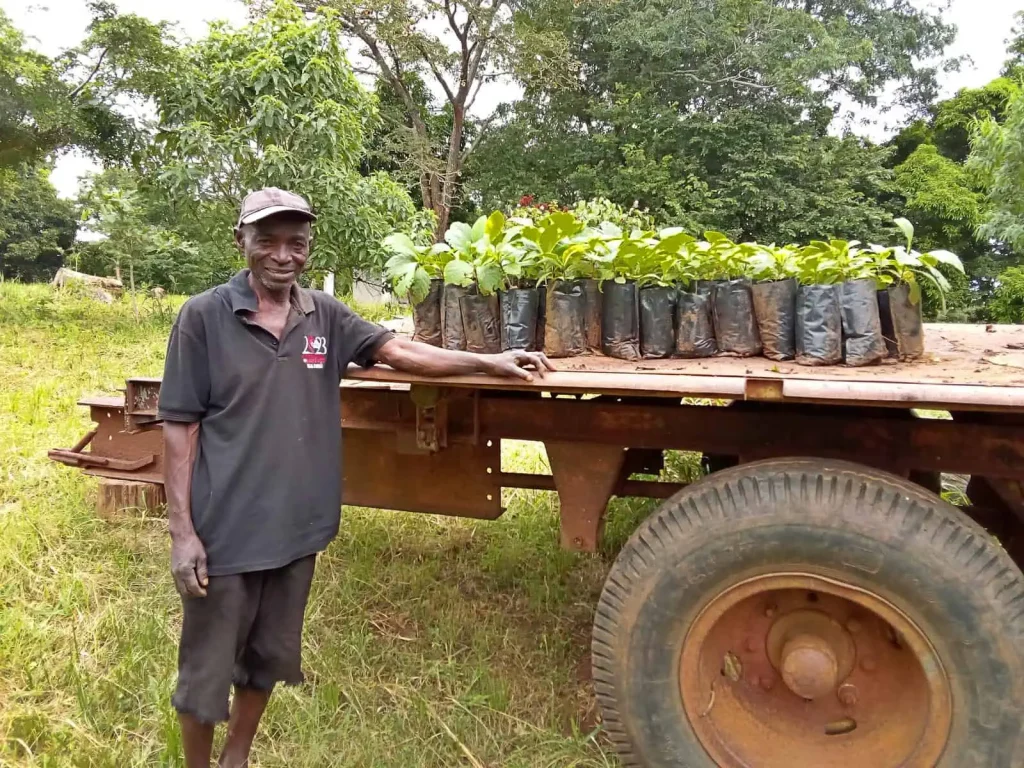
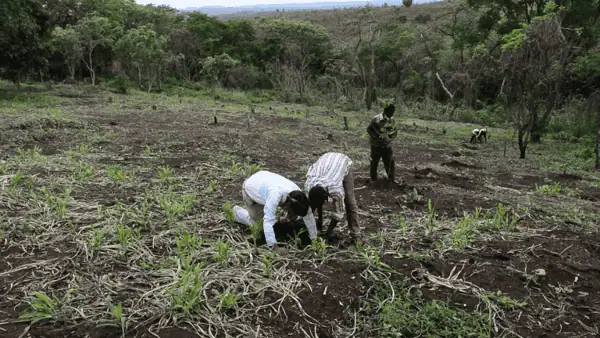
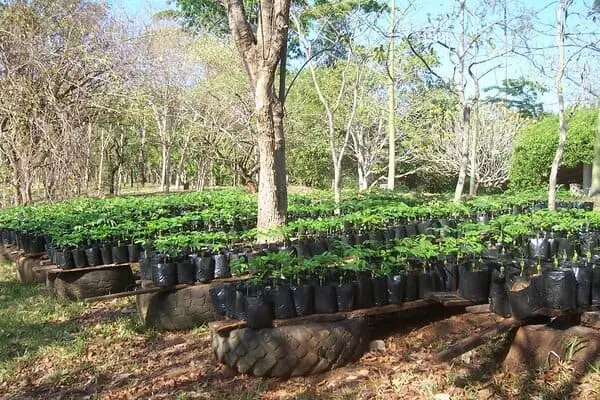
Since launching, the local Trees4Moz team and partners have grown more than 45,000 trees, with over 20,000 trees funded by generous donors and organisations. A further 1,000 trees have been donated to the local environmental department, and 200 to the Nhamacoa school, supporting education and environmental awareness.
We also provide seedlings to local families and farmers who want to restore their land — making this a truly community-led movement.
From Forest Floor to Classroom: Seeds and Stories
Seed collection begins with the forest — and with children. Local kids bring us small bags of seeds they’ve gathered, which we buy to support their school expenses. Often it’s the smallest child (usually a girl!) who negotiates the best price — a charming and hopeful reminder of what this work is really about.
Among the species we grow are:
- Chanfuta (Afzelia quanzensis)
- Panga Panga (Millettia stuhlmannii)
- Pau Ferro (Swartzia madagascariensis)
- Muvuve (Kigelia africana)
These are not just trees — they are part of local healing traditions, sources of sustainable materials, and shelters for bees, birds, and primates.

Wildlife Returns: Even the Monkeys
Some trees, like kapok, attract bees and birds — but recently also Samango monkeys, who nibble the flower buds before they bloom. Thankfully, with a new donation of kapok seeds from Allan Schwarz of Mezimbite, we’ll be planting more — and learning to share the harvest.
Help Us Grow
With your continued support, we’re not only replanting a forest — we’re reviving an ecosystem, empowering children, and building a future where wildlife and people can thrive together.