Restoring Nhamacoa Forest, One Tree at a Time
July 7, 2026
- Nhamacoa Forest
- Project News
Our project partner Trees4Moz is restoring the Nhamacoa Forest in Mozambique, an important example of the country’s threatened miombo woodland ecosystem. Miombo forests are among Africa’s most extensive dry tropical forests, covering large areas of southern and central Africa. They provide critical habitat for wildlife, store significant amounts of carbon, protect soils and water resources, and support the livelihoods of local communities.
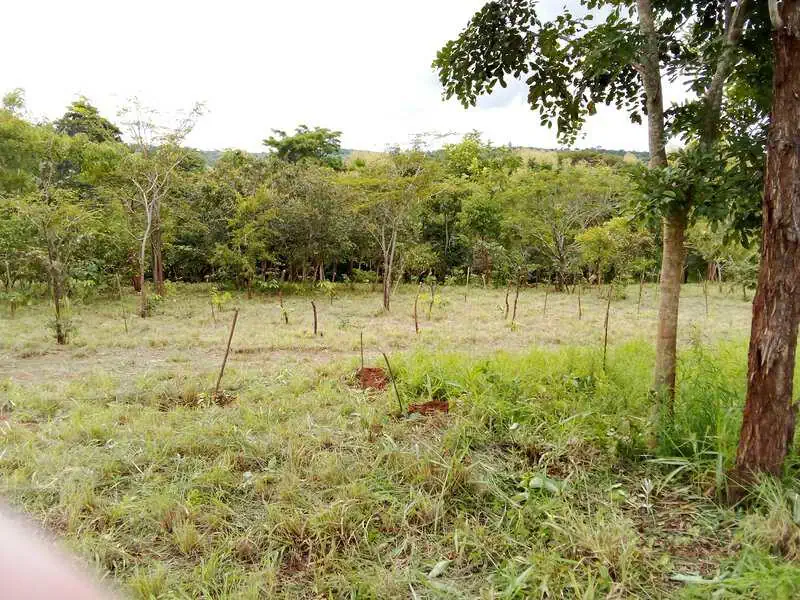
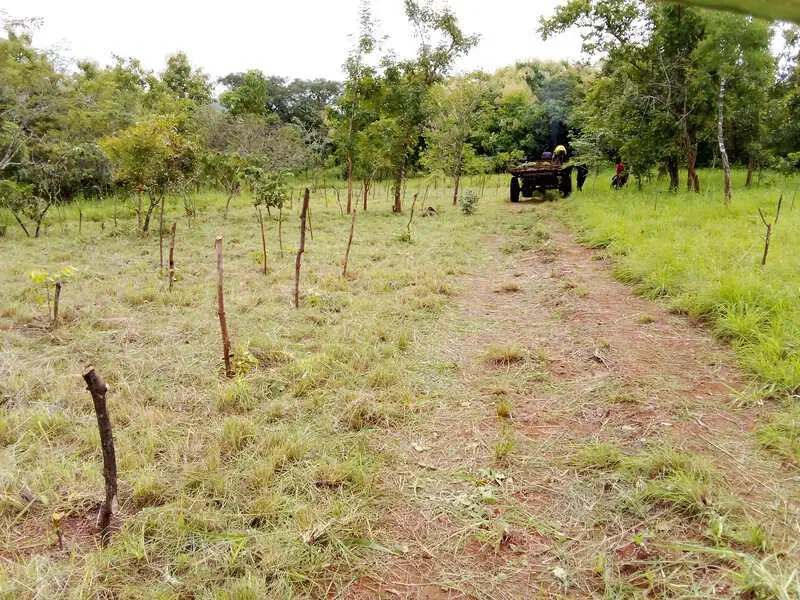
Restoring these forests is a long-term process that requires patience, dedication, and a deep understanding of local ecosystems. Through native tree propagation, planting, and natural regeneration, Trees4Moz is working to rebuild forest structure, increase biodiversity, and create a healthier and more resilient landscape.
New Trees Taking Root
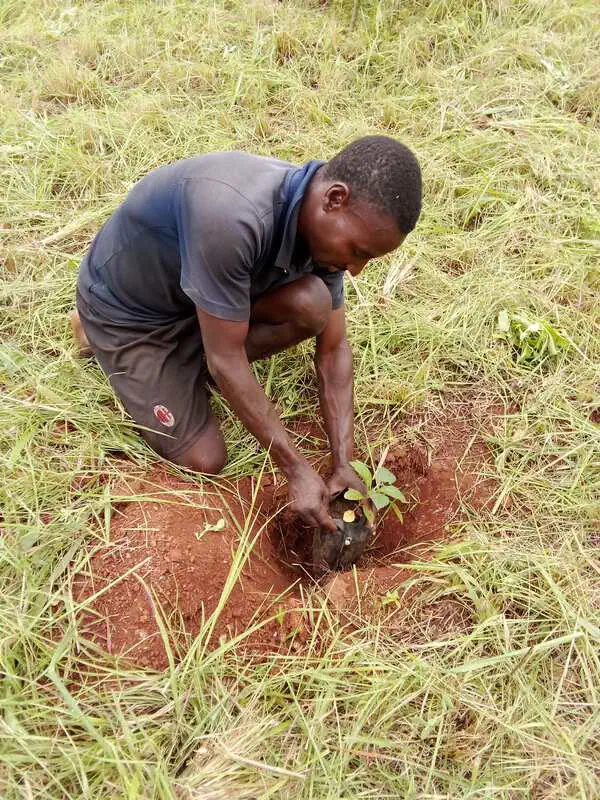
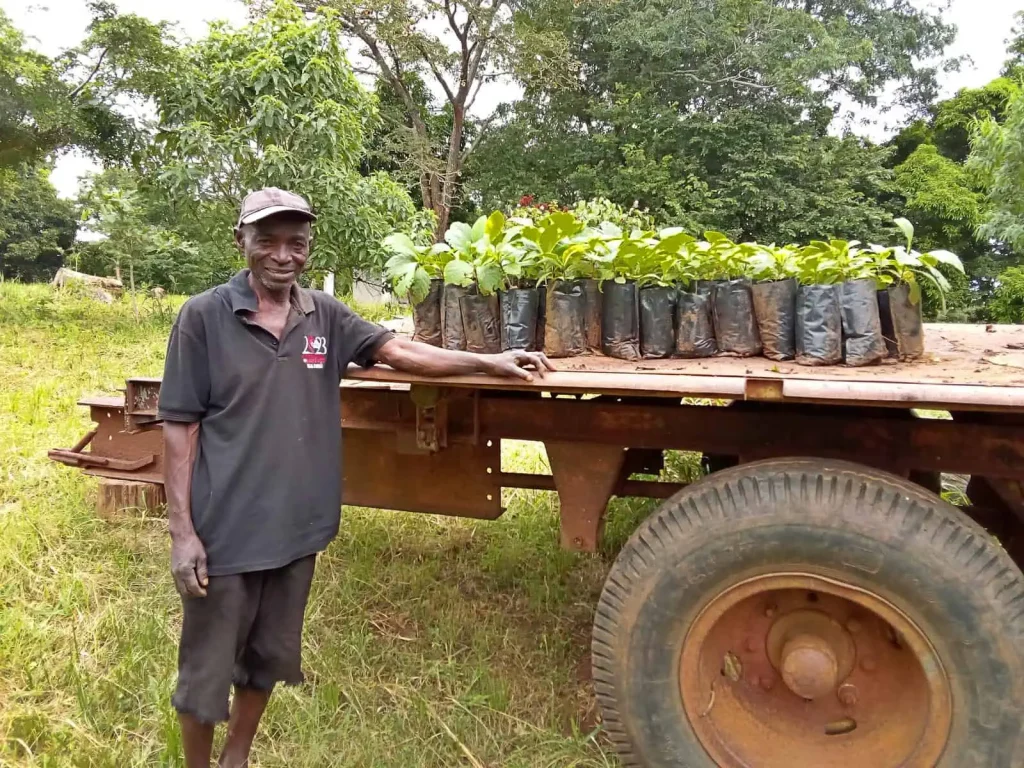
The past winter brought several exceptionally heavy rain showers to the Nhamacoa Forest, creating excellent conditions for planting. Taking advantage of the increased soil moisture, the Trees4Moz team successfully transplanted several hundred young trees from the nursery into restoration areas. These included panga panga, umbaua, acacia, tamarind, coral trees, and kapok—species that contribute to restoring the diversity and ecological functions of the forest.
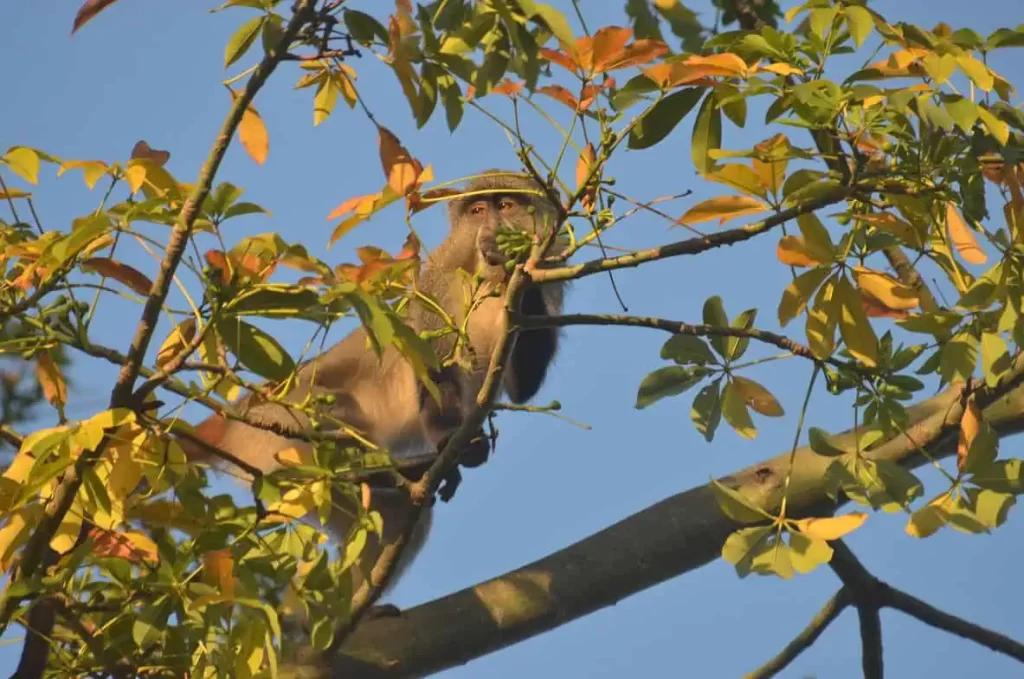
The planting of kapok trees has already provided a memorable reminder of the connection between forest restoration and wildlife recovery. Kapok flowers are highly attractive to birds and pollinating insects, making them valuable additions to a restored ecosystem. However, they also attracted the attention of bushbuck. Trees4Moz nursery worker Maqui recently discovered two bushbuck feeding on the tender tops of newly planted kapok seedlings. Although the young trees will need time to recover, this encounter is an encouraging sign that wildlife is actively using the restored habitat.
Preparing New Areas for Restoration
The team is currently preparing a third field for planting during the next rainy season. This area has remained unused for many years and has become heavily dominated by Feijão Maluco (Mucuna pruriens), a vigorous climbing legume also known as the “mad bean.”
The plant’s seed pods are covered in fine brown hairs containing mucunain, a compound that can cause severe skin irritation when touched. This makes manual removal extremely challenging, and the restoration team has determined that controlled burning is the safest and most practical way to prepare the site for planting.
Despite its challenges, Feijão Maluco also plays an ecological role. As a nitrogen-fixing plant, it can improve depleted soils by increasing nitrogen availability, helping restore soil fertility over time.
A Milestone After More Than Two Decades
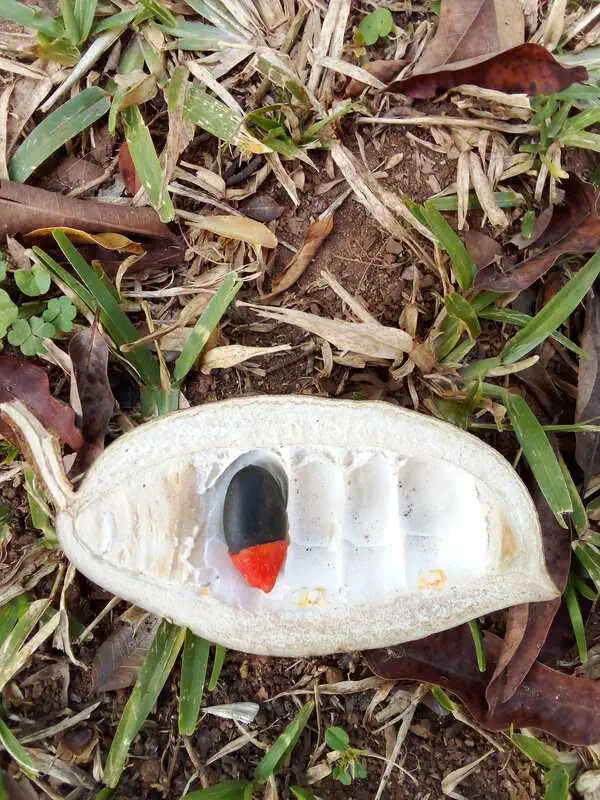
As the dry season progresses, trees across Nhamacoa Forest are shedding their leaves and beginning to produce seeds. One of the most exciting discoveries this season was the first natural regeneration of chanfuta trees planted by Trees4Moz in 1999.
A mature chanfuta seed pod was found on the forest floor, along with several tiny naturally germinated seedlings growing nearby. After more than 20 years, these trees are now reproducing independently—a major milestone demonstrating that restoration efforts can ultimately lead to a self-sustaining forest ecosystem.
Looking Ahead: Growing the Forest of the Future
With the next rainy season approaching, Trees4Moz is preparing for another ambitious planting programme. The goal is to raise an additional 10,000 native trees in the nursery, ready for planting across restoration sites in Nhamacoa.
With continued support and favourable rainfall, these efforts will expand restored forest areas, improve habitat for wildlife, and strengthen the resilience of Mozambique’s miombo woodlands for future generations.
The African Conservation Foundation and Trees4Moz are grateful to everyone supporting this restoration journey—helping bring back Mozambique’s forests one tree, one season, and one generation at a time.