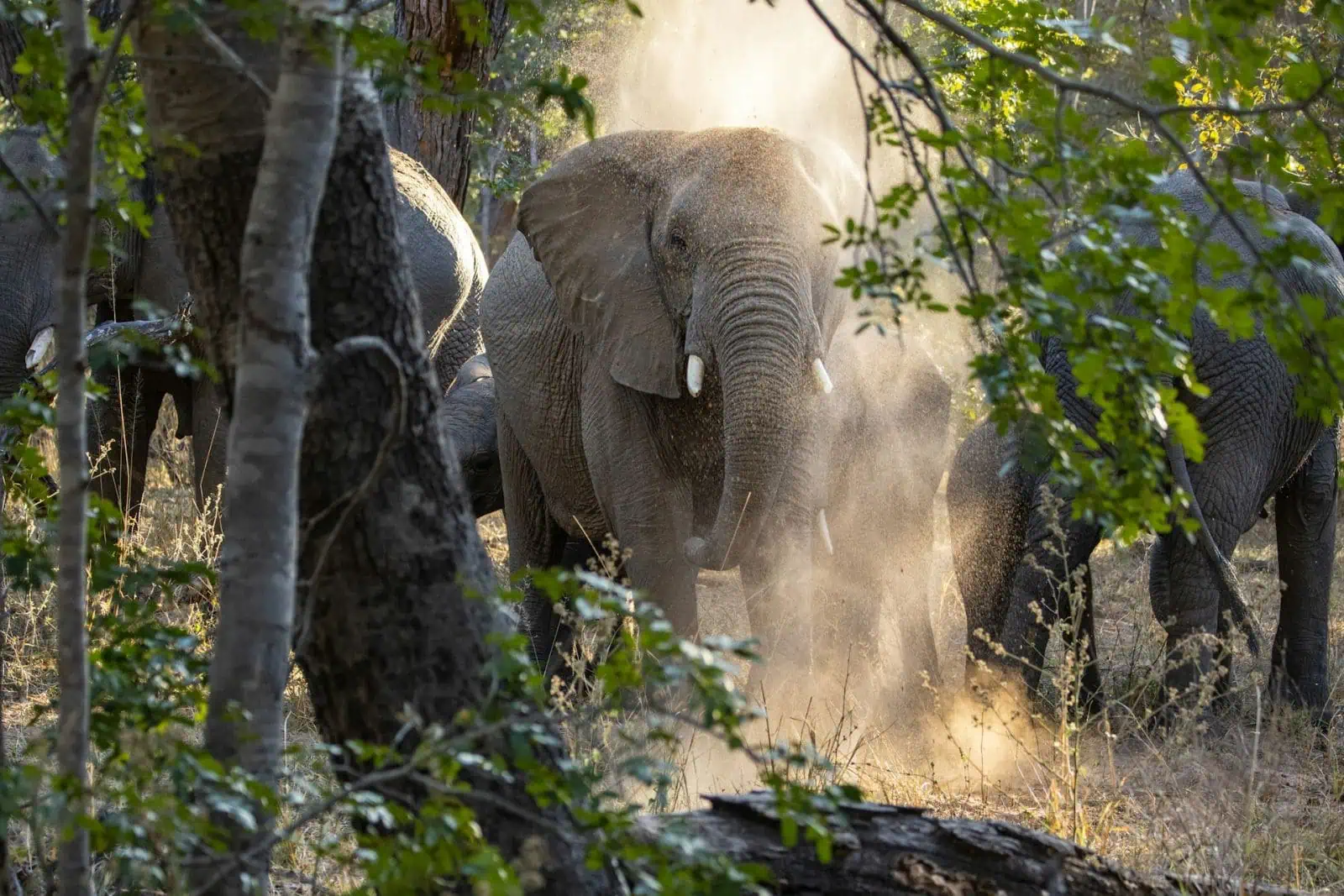
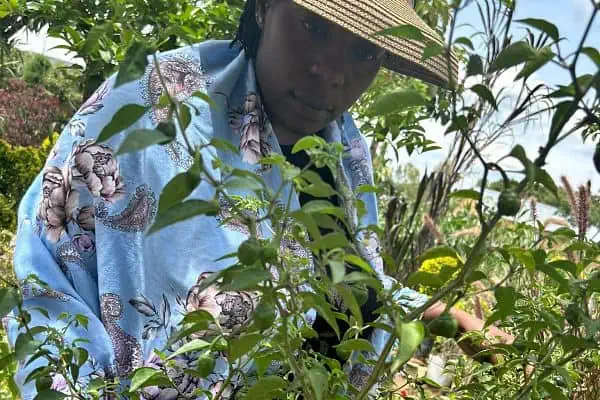
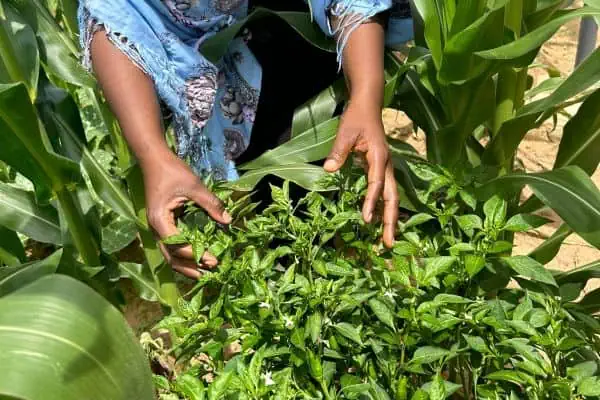
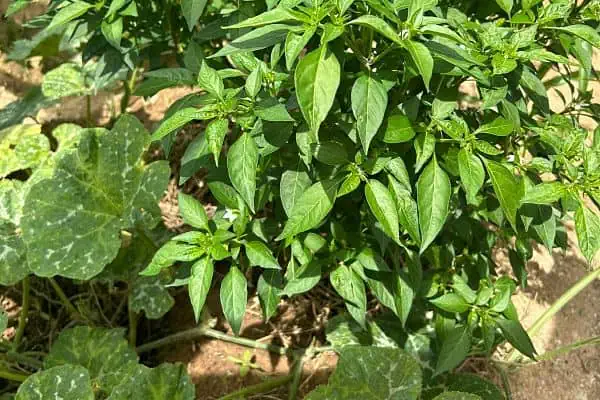
This project in Mbire, Zimbabwe, reduces human-elephant conflicts using non-lethal chili-based deterrents, trains farmers, enhances food security and income, promotes community awareness, supports livelihoods, and fosters coexistence for long-term elephant conservation.
The Problem
Human-wildlife conflict is a major challenge in rural Zimbabwe, particularly where communities live alongside wildlife. Elephants often destroy crops and property, leading to food insecurity, loss of livelihoods, and increased poverty. Women and marginalized groups are disproportionately affected. Climate change, limited resources, and unsustainable farming practices exacerbate these issues, while traditional mitigation measures—like fencing or culling—are costly, ineffective, or inhumane. Without innovative, community-driven solutions, both people and wildlife face continued risk.
What we do
Community engagement and initial assessment, land preparation and soil testing, farmer training on sustainable cultivation techniques, distribution of seeds and resources, establishment of buffer zones with chili plants, continuous monitoring and support
The project introduces sustainable, non-lethal measures to reduce human-elephant conflict while supporting livelihoods. Key interventions include:
- Chili Buffer Zones: Planting chili as a natural deterrent to protect crops from elephants, reducing the need for fences or culling.
- Farmer Training: Teaching sustainable cultivation, crop diversification, water-efficient irrigation, organic fertilization, and value-added marketing for chili production.
- Community Engagement: Involving local communities in decision-making, mapping high-conflict areas, and monitoring wildlife interactions.
Habitat Conservation: Promoting agroecological practices that protect surrounding forests, maintain wildlife corridors, and reduce pressure on natural habitats. - Monitoring and Research: Collecting data on human-wildlife interactions to evaluate effectiveness and adapt strategies.
Through this integrated approach, the project enhances economic stability for rural families, empowers women and marginalized groups, and fosters coexistence with elephants. By linking sustainable agriculture with conservation, the initiative helps safeguard both livelihoods and biodiversity for the long term.
Endangered species
African elephant
Habitat
Miombo woodland, Riverine forest
Size of area
3,000 ha
Location
Mbire, Zimbabwe
Sustainable Development Goals
Our project contributes to the following UN Sustainable Development Goals.